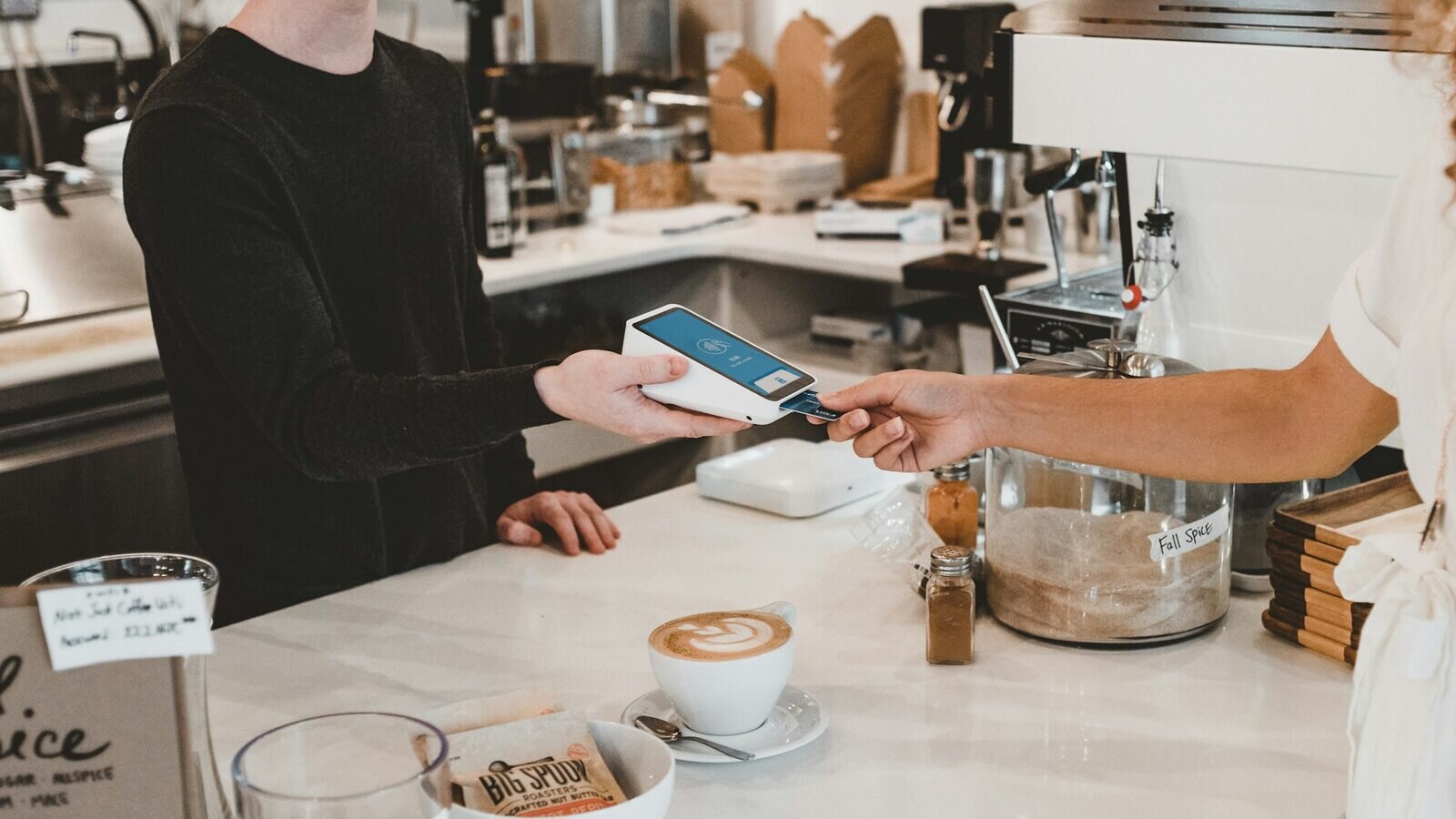
Block: 72% of Bitcoin Payments at Square Sellers Go to Food and Drink
A Block report on Square data shows a $13 median bitcoin payment, and the company is using it to press Congress for a de minimis tax exemption on small crypto purchases.
Photo: Clay Banks · Unsplash
Bitcoin spending at Square merchants is mostly small and routine, according to a new report from Block that the company hopes will shape the congressional debate over taxing minor crypto purchases.
The report, “The State of Bitcoin Payments,” covers completed bitcoin payments at U.S. Square sellers from Nov. 1, 2025, to Oct. 15, 2026, as reported by Bitcoin Magazine. The median payment was about $13 and the average about $29.
Coffee, fast food and groceries
Food and drink businesses took 72% of bitcoin payments, Block found. That compares with a 67.5% share of regular card payments on Square over the same period.
Within that category, coffee shops and fast food outlets accounted for 62.6% of bitcoin payments, with a median of $9.10. Grocery stores made up a smaller share but had the highest average payment in the group at $60.73.
About 42% of bitcoin payments were under $10, and 65.1% were under $20. Those sub-$20 payments represented only 19.1% of total payment value, as a handful of larger purchases accounted for much of the dollars spent.
Customers also returned. Among Cash App users who paid with bitcoin at least twice at the same merchant, the median was three purchases per customer-merchant pair. About 44% of Cash App bitcoin payments were repeat payments, and 86% of those came within 30 days.
The activity extended beyond Block’s own app. External Lightning wallets including Strike, Wallet of Satoshi, Phoenix and Coinbase handled 56.6% of Square bitcoin payments and about 66% of payment value. Cash App wallets made up the rest.
Sellers choose how much of each sale to keep in bitcoin, and Square converts the remainder to dollars automatically. Block said zero-fee bitcoin processing on Square has been extended through Dec. 31, 2027. Miami-Dade County now accepts bitcoin for property taxes and converts it to dollars.
The tax argument
Block linked the findings to tax policy. Under current U.S. federal rules, paying with bitcoin generally requires calculating a capital gain or loss on each purchase, even a $10 coffee, the company said.
A Morning Consult survey commissioned by Block found that 23.6% of businesses that don’t accept bitcoin cite tax and accounting complexity, about the same share that name regulation, refunds or price swings. Among businesses that have considered accepting bitcoin but haven’t, the figure was 27%.
Consumers cited friction as well. Morning Consult surveyed 8,669 U.S. adults aware of bitcoin in August. Among those who don’t own it, 29.6% said they would be more likely to pay with bitcoin if it were easier, and 15.7% of that group said they were unsure how it is taxed or regulated.
Block said Congress is weighing a crypto tax package and pointed to a de minimis exemption, which would exempt small gains on qualifying purchases, as one option. Industry groups have pressed lawmakers on the issue for months with little movement so far.
“We think tax policy should account for how people spend bitcoin as well as how they hold it,” Block said.
What the report leaves out
Block did not disclose totals. The number of Square bitcoin payments, the number of sellers receiving them and overall bitcoin payment volume are proprietary, the company said, so the data shows the mix of spending but not its scale.
Source: Bitcoin Magazine
Newsdesk turns crypto and web3 noise into clear signal. We write each story from another outlet's reporting, naming the original and linking to it so you can verify the work yourself.
Conversation (…)
One briefing. Every morning. Free.
Start the day with Crypto Beacon: the essential crypto & web3 stories in one email.