Russia’s Central Bank Plans Retail Bitcoin Margin Trading, Capped at 300,000 Rubles
A senior Bank of Russia official says margin rules are under Justice Ministry review, with crypto funds expected in 2027 and retail futures access still without a timeline.
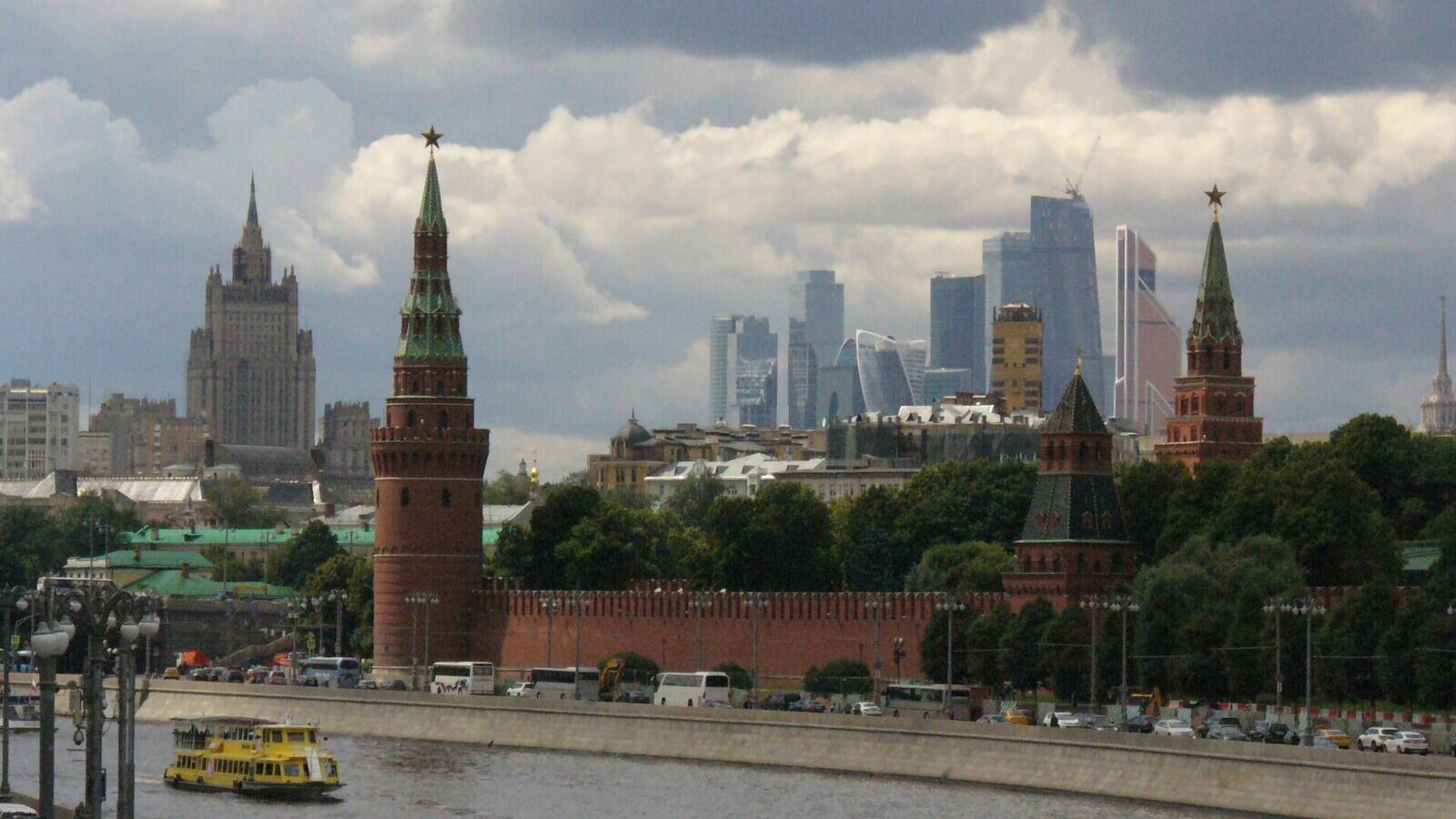
Photo: Mia Primavera (CC0) · Wikimedia Commons
Russia’s central bank intends to let ordinary investors trade bitcoin and other cryptocurrencies on margin through a broker, with a cap of 300,000 rubles, according to a senior official cited by Bitcoin Magazine. The plan comes only days after retail purchases of crypto became legal in the country.
Olga Shishlyannikova, director of the Bank of Russia’s department of investment financial intermediaries, described the plan at the Ural Conference hosted by NAUFOR, the national association of securities market participants, as reported by RBC Investments. She said the margin rule and two other acts are being reviewed by the Justice Ministry. The regulator expects them to be registered by the end of 2026.
It remains unclear whether the 300,000-ruble margin limit for non-qualified investors will be shared with the existing cap on crypto purchases or counted separately.
What the draft margin rules say
The central bank published draft margin rules in July. Under that draft, brokers could accept cryptocurrencies as collateral for margin positions, and clients could sell short. Both qualified and non-qualified investors would be able to trade on margin, with retail crypto trades subject to limits set by the Bank of Russia.
The draft also adds crypto to the risk-coverage ratios that brokers use to control leveraged trading. Those ratios determine how much a broker can lend against a client’s portfolio and when positions are forcibly closed.
Funds in 2027, futures later
Shishlyannikova said the first Russian mutual funds holding crypto directly are expected in 2027, and professional market participants have already applied to register such funds. “Yes, we are considering the possibility next year of amending the relevant regulations to allow funds intended for qualified investors to buy cryptocurrency,” she said. The regulator is not considering the same access for funds sold to non-qualified investors.
In late September, the central bank allowed fund managers to invest qualified investors’ money in cash-settled instruments tied to crypto prices. The proposed change would let those funds hold the coins themselves.
Retail access to crypto futures will take longer. Deputy Governor Philipp Gabunia told reporters on Thursday, as reported by Interfax, that the central bank could open crypto-linked futures to non-qualified investors once the spot market is running, provided it sees no risks.
“For non-qualified investors, this could be a very sensitive story. Let’s launch, and now we’ll see how it starts to work,” Gabunia said. “Non-qualified investors will have to be a little patient.” He gave no timeline.
Gabunia said the market’s shape could still change, including which coins are admitted and which derivatives are offered. “Legislation is now changing this configuration a lot,” he said. He added that the central bank does not expect “super-large” turnover on the Russian crypto market. Qualified investors can already trade futures tied to bitcoin, ether, Solana, XRP and Tron on Russian exchanges.
A fast-moving calendar
Russia’s law on digital currencies took effect Sept. 1, setting rules for crypto trading through exchanges, brokers and trust managers, and creating crypto exchange offices and digital depositories. Qualified investors were cleared to buy crypto from that date.
Since Nov. 17, non-qualified investors have been able to buy bitcoin, ether and Tether’s USDT through brokers and crypto exchange offices, capped at 300,000 rubles a year per intermediary, or roughly $3,600.
A separate central bank ordinance lets exchanges open organized crypto trading from Nov. 22, once the regulator approves their trading rules. Moscow Exchange, which is under U.S. sanctions, has said it plans to list bitcoin on Dec. 1, initially as a pilot.
Source: Bitcoin Magazine
Newsdesk turns crypto and web3 noise into clear signal. We write each story from another outlet's reporting, naming the original and linking to it so you can verify the work yourself.
Conversation (…)
One briefing. Every morning. Free.
Start the day with Crypto Beacon: the essential crypto & web3 stories in one email.